Design, Development, and Evaluation of Oxcarbazepine Loaded Fast Dissolving Oral Film
Pooja RD and Sayyad FJ
1Department of Biopharmaceutics, Government College of Pharmacy, Karad, Maharashtra, India
2Government College of Pharmacy, Karad, Maharashtra, India
- *Corresponding Author:
- Pooja RD
Department of Biopharmaceutics
Government College of Pharmacy, Karad, Maharashtra, India
Tel: 02164271196
E-mail: poojadoshi2193@gmail.com
Received date: July 22, 2018; Accepted date: July 28, 2018; Published date: July 31, 2018
Citation: Pooja RD, Sayyad FJ (2018) Design, Development and Evaluation of Oxcarbazepine Loaded Fast Dissolving Oral Film. Int J Drug Dev & Res 10: 12-24
Abstract
The present study was aimed to develop a novel fast dissolving drug delivery system for an antiepileptic drug such as Oxcarbazepine. The fast dissolving films were prepared by solvent casting technique using water-soluble polymers such as hydroxyl propyl methylcellulose HPMC E-5 LV, E-50 LV. In this study PEG 400 was used as plasticizer and Mannitol was used as a sweetener. Concentration of water soluble polymers were optimized during preliminary studies. The prepared films were evaluated for thickness, weight uniformity, drug content, surface pH, folding endurance, tensile strength, percent elongation, in-vitro disintegration time, swelling index and in-vitro drug release studies. The results obtained showed no physical chemical incompatibility between the drug and the polymers. The prepared films were clear, transparent and smooth surface. D4 formulation showed maximum in-vitro drug release 94.35%, following first order kinetics (r2=0.9791).
Keywords
Fast dissolving films; Oxcarbazepine; Solvent casting technique; Water-soluble polymers
Introduction
Recently Fast dissolving technology have been emerges out as a new drug delivery system that provides a very convenient means of taking medications and supplements [1]. These systems either dissolve or disintegrate within a minute. This delivery system consists of a thin film, which is simply placed on the patient’s tongue or mucosal tissue, instantly wet by saliva; the film rapidly dissolves. Then it rapidly disintegrates and dissolves to release the medication for oral mucosal absorption [2,3]. They undergo disintegration in the salivary fluids of the oral cavity, where they release the active ingredient. The major portion of the active ingredient is swallowed orally along the saliva and absorption takes place in the gastrointestinal tract subsequently making them particularly suitable for pediatrics and geriatric patients.
The fast dissolving films (FDF) were introduced in 1970’s as an alternative to the conventional tablet and capsule which require swallowing of the dosage form. These dosage forms offer specific advantages including accurate dosing, ease of transport, handling, acceptable taste, rapid onset of action and patient compliance [4]. Solvent casting was proved to be reliable technique for the manufacturing of FDFs. The film strips prepared by this method undergo instantaneous disintegration upon placing in buccal/oral cavity. The plasticizers present in FDF formulation reduce the glass transition temperature and thereby enabling desired film qualities [5]. Oxcarbazepine, an antiepileptic drug and being a BCS Class II moiety has high permeability and low solubility. It is known that the pharmacological activity of oxcarbazepine occurs primarily through its 10-monohydroxy metabolite (MHD). In vitro studies indicate an MHD-induced blockade of voltage-sensitive sodium channels. Resulting in stabilization of hyper excited neuronal membranes, inhibition of repetitive neuronal discharges and diminution of propagation of synaptic impulses. The half-life of parent drug is 2 hours, while half-life of MHD is about 9 hours, so the MHD is responsible for most antiepileptic activity. Oxcarbazepine is well absorbed and its bioavailability is about 75%. In view of these facts this drug can be considered as a suitable candidate for fast dissolving oral film [6]. In order to enhance the solubility of Oxcarbazepine and subsequently dissolution and absorption, this research work is undertaken. Solid dispersions of OXC with PVP K30, PEG 6000 and HPMC E5 carriers were prepared. Solid dispersions were prepared by solvent evaporation technique at different drug: carrier weight ratios such as Oxcarbazepine: PVP K30 (1:1, 1:2, 1:3), Oxcarbazepine: PEG 6000 (1:1, 1:2, 1:3) and Oxcarbazepine: HPMC E5 (1:1, 1:2, 1:3) and were evaluated. The optimized formulation of solid dispersions, OXC: PVP K30 at 1:3 weight ratio was selected and used for further study. The optimized solid dispersion was used in preparation of OXC films by solvent casting method, which offers superiority over other practicing methods. In this study, an attempt is made to investigate the feasibility of fast dissolving oral films as a medium for the fast delivery of Oxcarbazepine with better bioavailability and enhanced patient compliance.
Materials and Methods
Oxcarbazepine was procured from Aarati Pharmaceuticals, Mumbai, India. HPMC E5 LV, HPMC E50 LV were purchased from Loba Chemicals, Mumbai, India. All other chemicals used were of analytical grade.
Characterization of drug and polymers
Characterization study has been performed to know drug and polymers were in stable and pure form so as to formulate into dosage form (Tables 1-16).
| Formulation code | Drug (ml) | 3% HPMC E-50 (ml) | Mannitol (mg) | Citric acid (mg) | PEG 400 (ml) | Menthol (mg) | q.s |
|---|---|---|---|---|---|---|---|
| A1 | 1 | 8 | 15 | 20 | 0.2 | 0.03 | 10 |
| A2 | 1 | 7 | 15 | 20 | 0.2 | 0.03 | 10 |
| A3 | 1 | 6 | 15 | 20 | 0.2 | 0.03 | 10 |
| A4 | 1 | 5 | 15 | 20 | 0.2 | 0.03 | 10 |
Table 1: Composition of fast dissolving film (A1-A4), 1% drug solution+3% HPMC E-50 solution.
| Formulation code | Drug (ml) | 4% HPMC E-50(ml) | Mannitol (mg) | Citric acid(mg) | PEG 400(ml) | Menthol (mg) | q.s |
|---|---|---|---|---|---|---|---|
| B1 | 1 | 8 | 15 | 20 | 0.2 | 0.03 | 10 |
| B2 | 1 | 7 | 15 | 20 | 0.2 | 0.03 | 10 |
| B3 | 1 | 6 | 15 | 20 | 0.2 | 0.03 | 10 |
| B4 | 1 | 5 | 15 | 20 | 0.2 | 0.03 | 10 |
Table 2: Composition of fast dissolving film (B1-B 4), 1% drug solution+4% HPMC E-50 solution.
| Formulation code | Drug (ml) | 5% HPMC E-50(ml) | Mannitol (mg) | Citric acid(mg) | PEG 400(ml) | Menthol (mg) | q.s |
|---|---|---|---|---|---|---|---|
| C1 | 1 | 8 | 15 | 20 | 0.2 | 0.03 | 10 |
| C2 | 1 | 7 | 15 | 20 | 0.2 | 0.03 | 10 |
| C3 | 1 | 6 | 15 | 20 | 0.2 | 0.03 | 10 |
| C4 | 1 | 5 | 15 | 20 | 0.2 | 0.03 | 10 |
Table 3: Composition of fast dissolving film (C1-C4), 1% drug solution+5% HPMC E-50 solution.
| Formulation code | Drug (ml) | 7% HPMC E-50(ml) | Mannitol (mg) | Citric acid(mg) | PEG 400(ml) | Menthol (mg) | q.s |
|---|---|---|---|---|---|---|---|
| D1 | 1 | 8 | 15 | 20 | 0.2 | 0.03 | 10 |
| D2 | 1 | 7 | 15 | 20 | 0.2 | 0.03 | 10 |
| D3 | 1 | 6 | 15 | 20 | 0.2 | 0.03 | 10 |
| D4 | 1 | 5 | 15 | 20 | 0.2 | 0.03 | 10 |
Table 4: Composition of fast dissolving film (D1-D4), 1% drug solution+7% HPMC E-5 solution.
| Formulation code | Drug (ml) | 8% HPMC E-50(ml) | Mannitol (mg) | Citric acid(mg) | PEG 400(ml) | Menthol (mg) | q.s |
|---|---|---|---|---|---|---|---|
| E1 | 1 | 8 | 15 | 20 | 0.2 | 0.03 | 10 |
| E2 | 1 | 7 | 15 | 20 | 0.2 | 0.03 | 10 |
| E3 | 1 | 6 | 15 | 20 | 0.2 | 0.03 | 10 |
| E4 | 1 | 5 | 15 | 20 | 0.2 | 0.03 | 10 |
Table 5: Composition of fast dissolving film (E1-E4), 1% drug solution 8%HPMC E-5 solution.
| Formulation code | Drug (ml) | 9% HPMC E-50(ml) | Mannitol (mg) | Citric acid(mg) | PEG 400(ml) | Menthol (mg) | q.s |
|---|---|---|---|---|---|---|---|
| F1 | 1 | 8 | 15 | 20 | 0.2 | 0.03 | 10 |
| F2 | 1 | 7 | 15 | 20 | 0.2 | 0.03 | 10 |
| F3 | 1 | 6 | 15 | 20 | 0.2 | 0.03 | 10 |
| F4 | 1 | 5 | 15 | 20 | 0.2 | 0.03 | 10 |
Table 6: Composition of fast dissolving film (F1-F4), 1% drug solution+9%HPMC E-5 solution.
| Identification Tests | Observed Result | Reported Standard | |
|---|---|---|---|
| Colour | Oxcarbazepine | Off-White to Faintly Orange | Off-White to Faintly Orange |
| HPMC | White | White | |
| Melting | Oxcarbazepine | 215ÃÆââ¬Å¡ÃâðC | 215ÃÆââ¬Å¡ÃâðC-216ÃÆââ¬Å¡ÃâðC |
| point | HPMC | 192ÃÆââ¬Å¡ÃâðC | 190ÃÆââ¬Å¡ÃâðC- 200ÃÆââ¬Å¡ÃâðC |
Table 7: Physical Properties and Melting point of drug and polymer.
| Concentration ÃÆââ¬Å¡Ãâõg/ml | I | II | III | Absorbance |
|---|---|---|---|---|
| 10 | 0.095 | 0.094 | 0.093 | 0.095 ± 0.001 |
| 20 | 0.192 | 0.192 | 0.193 | 0.194 ± 0.001 |
| 30 | 0.348 | 0.346 | 0.346 | 0.346 ± 0.001 |
| 40 | 0.466 | 0.464 | 0.465 | 0.465 ± 0.001 |
| 50 | 0.575 | 0.577 | 0.576 | 0.575 ± 0.001 |
| 60 | 0.68 | 0.681 | 0.681 | 0.681 ± 0.001 |
Table 8: Calibration data of OXC in pH 6.8 phosphate buffer.
| Peak reported (cm-1) | Peak observed (cm-1) | Interpretation |
|---|---|---|
| 3500-3000 | 3463.82 | NH2 group of amides |
| 1725-1705 | 1679.34 | C=O ketonic group |
| 1800-1600 | 1588.86 | C=C in Ar ring |
| 1680-1630 | 1646.49 | C=O of amide group |
Table 9: Interpretation of FTIR of Oxcarbazepine.
| Peak reported (cm-1) | Peak observed (cm-1) | Interpretation |
|---|---|---|
| 1150-1050 | 1046.99 | C-O |
| 3000-2850 | 2888.64 | C-H |
| 1800-1600 | 1545.12 | C=C in Ar ring |
Table 10: Interpretation of FTIR of HPMC.
| Peak reported (cm-1) | Peak observed (cm-1) | Interpretation |
|---|---|---|
| 3500-3000 | 3463.82 | NH2 group of amide |
| 1725-1705 | 1679.34 | C=O ketonic group |
| 1800-1600 | 1588.86 | C=C in Ar ring |
| 1500-1400 | 1399.88 | NH group(B) |
| 1680-1630 | 1646.49 | C=O of amide group |
| 1150-1050 | 1098.81 | C-O |
| 3000-2850 | 3032.99 | C-H |
Table 11: Interpretation of FTIR of OXC+HPMC.
| Code | Thickness* (mm) | Average weight* (mg) | Surface pH | Folding endurance | Tensile strength |
|---|---|---|---|---|---|
| A1 | 0.029 ± 0.120 | 36.37 ± .421 | 6.72 ± 0.282 | 105.9 ± 1.23 | 7.38 ± 0.256 |
| A2 | 0.028 ± 0.073 | 36.30 ± 0.562 | 6.76 ± 0.777 | 104.3 ± 1.53 | 7.56 ± 0.254 |
| A3 | 0.027 ± 0.083 | 35.25 ± 0.320 | 6.35 ± 0.356 | 103.9 ± 0.895 | 7.84 ± 0.275 |
| A4 | 0.026 ± 0.053 | 35.12 ± 0.456 | 6.41 ± 0.494 | 101.2 ± 0.962 | 7.95 ± 0.321 |
| B1 | 0.035 ± 0.025 | 39.56 ± 0.852 | 6.25 ± 0.141 | 121.8 ± 0.758 | 6.81 ± 0.245 |
| B2 | 0.033 ± 0.064 | 38.35 ± 1.023 | 6.75 ± 0.124 | 120.2 ± 0.952 | 6.9 ± 0.215 |
| B3 | 0.031 ± 0.046 | 37.30 ± 0.259 | 6.62 ± 0.707 | 119.5 ± 0.230 | 7.1 ± 0.256 |
| B4 | 0.030 ± 0.096 | 37.16 ± 0.506 | 6.45 ± 0.671 | 117.5 ± 0.752 | 7.2 ± 0.321 |
| C1 | 0.041 ± 0.045 | 40.2 ± 0.652 | 6.32 ± 0.374 | 149.5 ± 0.466 | 5.1 ± 0.214 |
| C2 | 0.039 ± 0.051 | 39.98 ± 0.352 | 6.45 ± 0.346 | 145.2 ± 0.236 | 5.4 ± 0.218 |
| C3 | 0.038 ± 0.071 | 39.01 ± 0.754 | 6.52 ± 0.612 | 140.6 ± 0.245 | 5.6 ± 0.219 |
| C4 | 0.037 ± 0.093 | 38.55 ± 0.684 | 6.69 ± 0.230 | 135.2 ± 0.158 | 5.95 ± 0.220 |
| D1 | 0.038 ± 0.113 | 36.86 ± 0.751 | 6.56 ± 0.633 | 172.2 ± 1.252 | 6.5 ± 0.221 |
| D2 | 0.036 ± 0.043 | 36.25 ± 0.421 | 6.65 ± 0.254 | 170.3 ± 1.36 | 6.6 ± 0256 |
| D3 | 0.034 ± 0.016 | 36.02 ± 1.023 | 6.75 ± 0.850 | 169.8 ± 1.689 | 6.7 ± 0.254 |
| D4 | 0.033 ± 0.025 | 35.19 ± 0.856 | 6.73 ± 0.325 | 167.2 ± 0.636 | 6.9 ± 0.278 |
| E1 | 0.043 ± 0.133 | 38.26 ± .952 | 6.28 ± 0.652 | 187.5 ± 0.558 | 3.25 ± 0.245 |
| E2 | 0.042 ± 0.014 | 37.75 ± 0.452 | 6.42 ± 0.452 | 185.2 ± 0.895 | 3.3 ± 0.236 |
| E3 | 0.041 ± 0.15 | 37.19 ± 0.125 | 6.72 ± 1.268 | 181.5 ± 0.825 | 3.4 ± 0.3211 |
| E4 | 0.039 ± 0.263 | 36.95 ± 0.895 | 6.41 ± 0.555 | 179.5 ± 0.982 | 3.5 ± 0.224 |
| F1 | 0.047 ± 0.285 | 41.8 ± 0.752 | 6.24 ± 0.895 | 190.2 ± 0.723 | 2.34 ± 0.289 |
| F2 | 0.046 ± 0.295 | 41.40 ± 0.852 | 6.72 ± 0.562 | 187.6 ± 0.236 | 2.46 ± 0.275 |
| F3 | 0.045 ± 0.014 | 40.1 ± 0.954 | 6.42 ± 0.862 | 181.2 ± 0.452 | 2.57 ± 0.233 |
| F4 | 0.044 ± 0.012 | 39.60 ± 0.562 | 6.23 ± 0.552 | 177.6 ± 0.952 | 2.64 ± 0.286 |
Table 12: Evaluation of fast dissolving film.
| Code | Percent Elongation | D.T (SEC) | Drug content (%) | Swelling Index |
|---|---|---|---|---|
| A1 | 21.75 ± 0.231 | 30.12 ± .0.63 | 90.23 ± 0.134 | 0.191 ± 0.023 |
| A2 | 21.85 ± 0.245 | 30.10 ± 0.085 | 92.6 ± 0.565 | 0.195 ± 0.021 |
| A3 | 22.62 ± 0.256 | 29.85 ± 0.052 | 91.55 ± 0.558 | 0.200 ± 0.015 |
| A4 | 22.90 ± 0.263 | 28.50 ± 0.12 | 89.25 ± 0.160 | 0.202 ± 0.036 |
| B1 | 18.75 ± 0.324 | 34.15 ± 0.32 | 91.6 ± 0.301 | 0.171 ± 0.045 |
| B2 | 19.2 ± 0.321 | 33.05 ± 0.40 | 92.46 ± 0.268 | 0.175 ± 0.062 |
| B3 | 20.2 ± 0.328 | 32.56 ± 0.650 | 90.52 ± 0.374 | 0.180 ± 0.075 |
| B4 | 20.9 ± 0.324 | 30.52 ± 0.298 | 88.52 ± 0.895 | 0.182 ± 0.095 |
| C1 | 9.0 ± 0.245 | 38.25 ± 0.615 | 91.53 ± 0.671 | 0.152 ± 0.045 |
| C2 | 9.2 ± 0.278 | 37.25 ± 0.895 | 87.66 ± 0.456 | 0.156 ± 0.095 |
| C3 | 10.75 ± 0.259 | 36.5 ± 0.452 | 89.67 ± 0.895 | 0.160 ± 0.087 |
| C4 | 10.95 ± 0.256 | 35.6 ± 0.652 | 90.68 ± 0.597 | 0.168 ± 0.125 |
| D1 | 20.69 ± 0.564 | 29.15 ± 0.62 | 91.76 ± 0.684 | 0.251 ± 0.056 |
| D2 | 20.75 ± 0.468 | 28.91 ± 0.258 | 88.56 ± 0.466 | 0.259 ± 0.089 |
| D3 | 21.05 ± 0.562 | 28.10 ± 0.65 | 89.45 ± 0.258 | 0.261 ± 0.023 |
| D4 | 21.50 ± 0.456 | 27.58 ± 0.722 | 93.45 ± 0.698 | 0.265 ± 0.145 |
| E1 | 19.32 ± 0.356 | 32.34 ± 0.952 | 91.56 ± 0.752 | 0.232 ± 0.232 |
| E2 | 19.65 ± 0.378 | 31.56 ± 0.10 | 91.65 ± 0.459 | 0.235 ± 0.532 |
| E3 | 20.1 ± 0.368 | 30.56 ± 1.25 | 90.89 ± 0.687 | 0.243 ± 0.692 |
| E4 | 20.3 ± 0.319 | 29.88 ± 1.65 | 92.45 ± 0.698 | 0.246 ± 0.085 |
| F1 | 10.5 ± 0.345 | 40.23 ± 0.895 | 90.79 ± 0.756 | 0.201 ± 0.466 |
| F2 | 11.8 ± 0.398 | 39.15 ± 0.892 | 92.56 ± 0.895 | 0.202 ± 0.655 |
| F3 | 12.5 ± 0.371 | 38.6 ± 0.522 | 91.31 ± 0.466 | 0.212 ± 0.566 |
| F4 | 12.89 ± 0.366 | 35.7 ± .0988 | 90.27 ± 0.789 | 0.223 ± 0.456 |
Table 13: Evaluation of fast dissolving film.
| Time (sec)-> | 30 | 60 | 90 | 120 | 150 | 180 | 210 | 240 |
|---|---|---|---|---|---|---|---|---|
| A1 | 15.8 ± 0.57 | 29.68 ± 0.23 | 44.9 ± 0.78 | 62.6 ± 0.85 | 72.9 ± 0.78 | 83.5 ± 0.23 | 88.9 ± 0.56 | 92.25 ± 1.02 |
| A2 | 16.1 ± 0.78 | 30.78 ± 0.56 | 46.8 ± 0.18 | 61.9 ± 0.75 | 74.8 ± 0.55 | 85.8 ± 0.89 | 89.8 ± 0.96 | 92.86 ± 1.1 |
| A3 | 18.5 ± 0.45 | 33.89 ± 0.89 | 49.8 ± 0.32 | 65.8 ± 0.38 | 78.8 ± 0.89 | 87.6 ± 0.96 | 91.5 ± 1.02 | 93.25 ± 1.3 |
| A4 | 19.13 ± 0.35 | 36.25 ± 0.18 | 59.93 ± 0.89 | 68.37 ± 0.12 | 79.25 ± 0.77 | 88.26 ± 0.12 | 92.9 ± 0.98 | 93.50 ± 1.2 |
| B1 | 13.10 ± 1.23 | 27.9 ± 1.02 | 41.8 ± 0.85 | 60.8 ± 0.56 | 70.50 ± 0.23 | 81.89 ± 0.52 | 86.8 ± 0.52 | 90.23 ± 0.89 |
| B2 | 14.5 ± 0.78 | 29.8 ± 1.01 | 44.9 ± 0.89 | 62.5 ± 0.53 | 73.4 ± 0.85 | 83.8 ± 0.52 | 87.2 ± 0.63 | 91.89 ± 0.12 |
| B3 | 16.1 ± 0.85 | 31.5 ± 1.10 | 47.8 ± 0.77 | 64.8 ± 0.23 | 76.8 ± 0.77 | 85.8 ± 0.12 | 89.2 ± 0.25 | 92.0 ± 0.89 |
| B4 | 18.5 ± 0.89 | 34.15 ± 1.2 | 49.5 ± 0.85 | 66.2 ± 0.89 | 77.6 ± 0.63 | 87.89 ± 0.25 | 90.56 ± 0.42 | 92.18 ± 0.12 |
| C1 | 11.1 ± 1.02 | 25.9 ± 0.89 | 39.5 ± 0.78 | 58.6 ± 0.56 | 67.2 ± 0.895 | 75.6 ± 0.294 | 81.9 ± 0.58 | 87.5 ± 0.258 |
| C2 | 13.4 ± 0.235 | 26.9 ± 0.56 | 43.8 ± 0.85 | 61.3 ± 0.258 | 72.5 ± 0.69 | 82.2 ± 0.185 | 86.5 ± 0.963 | 88.89 ± 0.11 |
| C3 | 15.05 ± 0.61 | 29.8 ± 0.66 | 45.8 ± 0.62 | 63.5 ± 0.25 | 73.6 ± 0.96 | 84.4 ± 0.874 | 87.6 ± 0.58 | 89.1 ± 0.258 |
| C4 | 16.1 ± 0.235 | 32.5 ± 0.895 | 55.2 ± 0.28 | 65.5 ± 0.45 | 75.8 ± 0.125 | 86.2 ± 0.258 | 88.7 ± 0.360 | 89.37 ± 0.698 |
Table 14: In-vitro drug release data.
| Time (sec)-> | 30 | 60 | 90 | 120 | 150 | 180 | 210 | 240 |
|---|---|---|---|---|---|---|---|---|
| D1 | 17.4 ± 1.02 | 33.7 ± 1.23 | 56.5 ± 1.05 | 68.5 ± 1.25 | 74.5 ± 0.98 | 79.5 ± 0.55 | 87.9 ± 0.78 | 92.5 ± 0.58 |
| D2 | 18.9 ± 0.96 | 35.1 ± 0.25 | 58.8 ± 0.39 | 70.1 ± 0.59 | 75.8 ± 0.39 | 80.3 ± 0.25 | 88.2 ± 0.69 | 93.78 ± 1.02 |
| D3 | 20.6 ± 0.652 | 37.8 ± 0.895 | 62.5 ± 0.588 | 72.8 ± 0.257 | 76.8 ± 0.569 | 81.5 ± 0.589 | 89.7 ± 0.587 | 94.2 ± 0.558 |
| D4 | 26.3 ± 0.284 | 45.3 ± 0.694 | 65.2 ± 0.288 | 76.56 ± 0.25 | 79.81 ± 0.89 | 83.5 ± 0.785 | 91.9 ± 0.99 | 94.35 ± 0.895 |
| E1 | 15.9 ± 0.185 | 31.5 ± 0.595 | 54.8 ± 0.891 | 66.5 ± 0.789 | 73.1 ± 0.79 | 79.8 ± 0.125 | 84.7 ± 0.89 | 88.78 ± 0.569 |
| E2 | 16.8 ± 0.235 | 33.9 ± 0.589 | 56.1 ± 0.898 | 67.9 ± 0.698 | 73.8 ± 0.77 | 80.6 ± 0.59 | 85.9 ± 0.69 | 89.56 ± 0.36 |
| E3 | 18.1 ± 0.28 | 35.5 ± 0.39 | 60.5 ± 0.98 | 68.5 ± 0.58 | 74.8 ± 0.69 | 80.9 ± 0.99 | 86.8 ± 0.684 | 90.56 ± 0.25 |
| E4 | 24.5 ± 0.698 | 43.8 ± 0.25 | 63.4 ± 0.547 | 69.5 ± 0.657 | 75.5 ± 0.651 | 81.9 ± 0.39 | 87.89 ± 0.58 | 91.25 ± 0.954 |
| F1 | 13.55 ± 0.23 | 29.02 ± 0.32 | 51.7 ± 0.41 | 63.5 ± 0.58 | 71.5 ± 0.59 | 77.5 ± 0.63 | 82.3 ± 0.89 | 85.78 ± 0.96 |
| F2 | 15.78 ± 0.32 | 31.9 ± 0.45 | 55.7 ± 0.53 | 65.2 ± 0.58 | 72.1 ± 0.69 | 78.1 ± 0.72 | 84.9 ± 0.88 | 86.8 ± 0.99 |
| F3 | 17.10 ± 0.45 | 33.1 ± 0.78 | 57.5 ± 0.79 | 67.9 ± 0.86 | 72.9 ± 0..877 | 78.7 ± 0.858 | 85.1 ± 0.966 | 87.59 ± 1.01 |
| F4 | 21.24 ± 0.56 | 41.7 ± 0.65 | 61.89 ± 0.71 | 67.5 ± 0.89 | 73.8 ± 0.96 | 79.4 ± 1.02 | 85.5 ± 1.1 | 88.57 ± 1.2 |
Table 15: In-vitro drug release data.
| Time (Sec) | %CDR |
|---|---|
| 30 | 26.3 |
| 60 | 45.3 |
| 90 | 65.2 |
| 120 | 76.56 |
| 150 | 79.81 |
| 180 | 83.5 |
| 210 | 91.9 |
| 240 | 94.35 |
Table 16: Zero order kinetics.
Physical properties
The sample of Oxcarbazepine and polymer were studied for physical properties such as colour and appearance by visual observation. The results are given in Table 7.
Melting point
The melting point of Oxcarbazepine and polymer were determined by open capillary tube method. Drug filled capillary attached to thermometer and placed in the thieles tube containing liquid paraffin as heating medium. Neck of thieles tube was heated using burner and the observed melting point was noted and matched with reported value. Observed value of melting point are reported in Table 7.
UV spectroscopy
Accurately weighed quantity (5 mg) of drug was dissolved in acetone (50 ml). This was further diluted suitably with solvents phosphate buffer pH 6.8 to make concentrations of 100 (μg/ml). The λ max of drug was determined by scanning 100 μg/ml solution in phosphate buffer pH 6.8 over the wavelength range of 200-400 nm by using UV/VIS Spectrophotometer (Lab India 3000).
Calibration curve of oxcarbazepine in phosphate buffer pH 6.8
Oxcarbazepine (5 mg) was accurately weighed and transferred to 50 ml volumetric flask. It was then dissolved in 10 ml acetone. The volume was made up to 50 ml with phosphate buffer pH 6.8 to obtain stock solution (100 μg/ml). The UV spectrum was recorded in the range of 200-400 nm by using UV double beam spectrophotometer (Lab India 3000). The wavelength of maximum absorption (λ max) was determined. From the stock solution (100 μg/ml), standard solutions in the range 10-60 μg/ml were prepared by appropriate dilution with phosphate buffer pH 6.8. The absorbance of each standard solution was determined spectrophotometrically at λ max 306 nm. Using absorbance-concentration data, Beer-Lambert’s plot was constructed. The absorbance-concentration data is given in Table 8.
Fourier Transform Infra-Red (FTIR) analysis
Infrared spectrophotometry is a useful analytical technique utilized to check the chemical interaction between the drug and other excipients used in the formulation. The sample (1 mg) was powdered and placed on sampler. The spectrum was recorded by scanning in the wavelength region of 4000-400 cm-1 using FTIR spectrophotometer. The interpretation of FTIR of drug and polymer are given in Tables 9-11 and Figures 1-4.
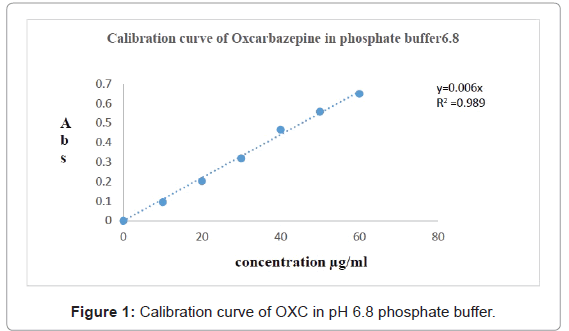
Figure 1: Calibration curve of OXC in pH 6.8 phosphate buffer.
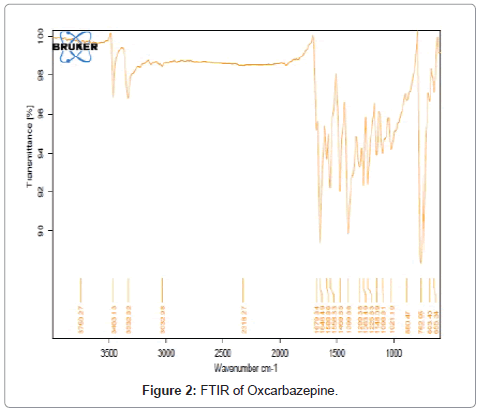
Figure 2: FTIR of Oxcarbazepine.
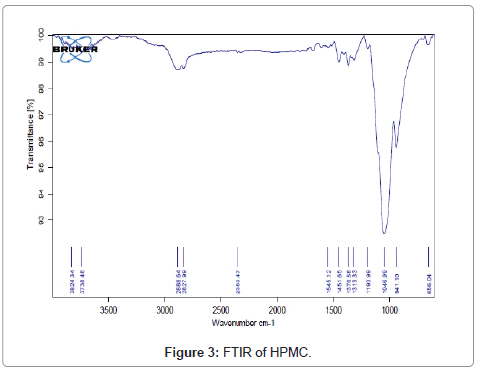
Figure 3: FTIR of HPMC.
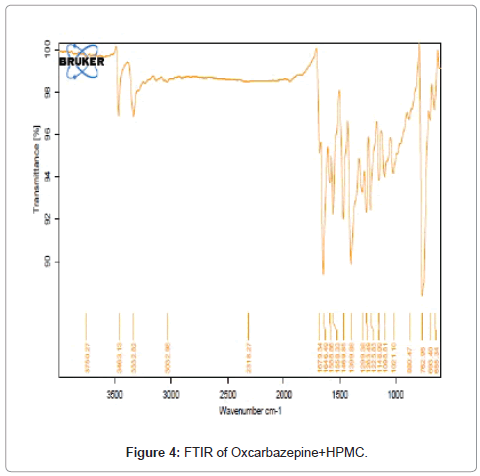
Figure 4: FTIR of Oxcarbazepine+HPMC.
Differential Scanning Calorimetric (DSC) studies
The DSC thermogram of Oxcarbazepine and polymer were recorded by using a Perkin Elmer system with a differential scanning calorimeter equipped with a computerized data station. All samples were weighed and heated in a closed pierced aluminium pan at a scanning rate of 10°C/min between 30°C and 300°C and 60 ml/min of nitrogen flow. The DSC of Oxcarbazepine and polymer are given in Figures 5 and 6.
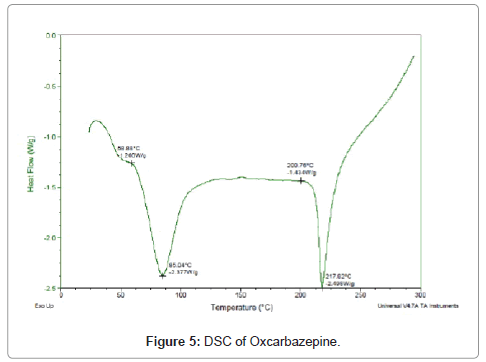
Figure 5: DSC of Oxcarbazepine.
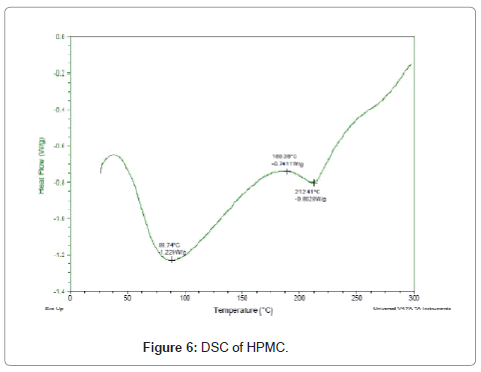
Figure 6: DSC of HPMC.
Solid dispersions
Solid dispersions of OXC with PVP K30 in the weight ratio of 1:3 were prepared using solvent evaporation technique. The appropriate weighed amounts of OXC and PVP K30 were moistened with methanol to get clear drug solution Methanol was removed by evaporation technique. The mass obtained was further dried at 50°C for 24 hrs in an Hot air oven. The product was crushed, pulverized and passed through a sieve number # 80. The sample prior to be used for the study were stored in a desiccator (Figures 7-10).
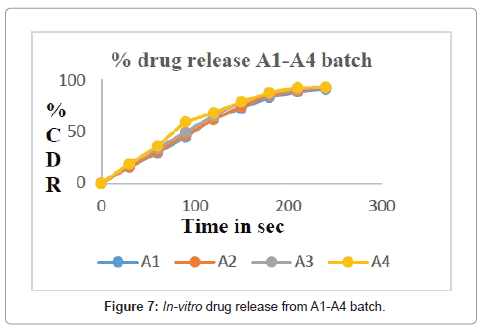
Figure 7: In-vitro drug release from A1-A4 batch.
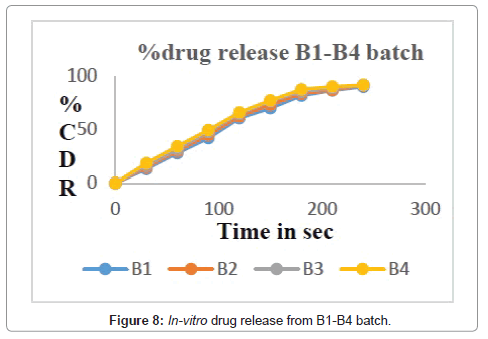
Figure 8: In-vitro drug release from B1-B4 batch.
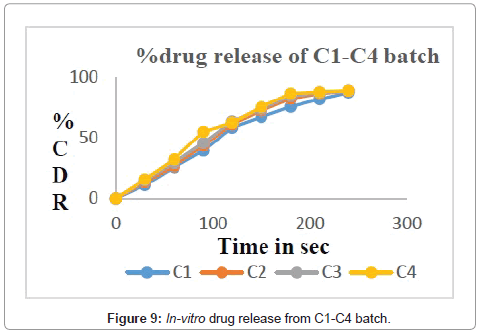
Figure 9: In-vitro drug release from C1-C4 batch.
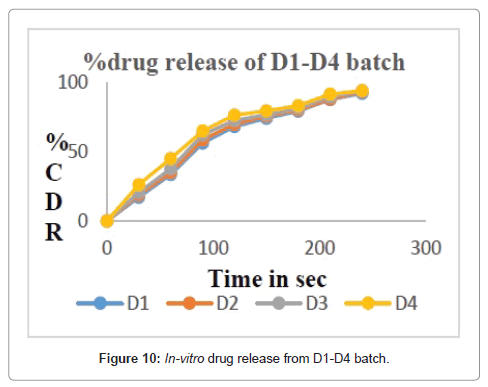
Figure 10: In-vitro drug release from D1-D4 batch.
Preparation of fast dissolving films
Preparation of stock solution of drug: Solid dispersion of oxcarbazepine equivalent to 1 g was accurately weighed and dissolved in 100 ml of methanol to prepare 1% drug solution. The stock solution concentration become 10 mg/ml solution (Figures 11 and 12).
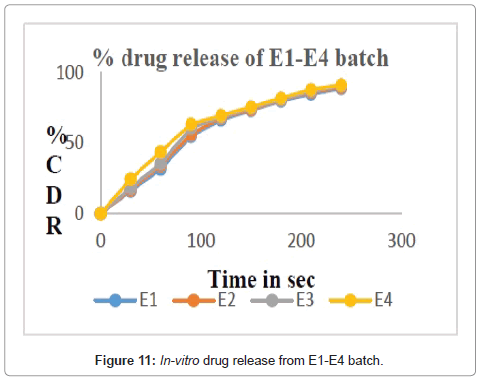
Figure 11: In-vitro drug release from E1-E4 batch.
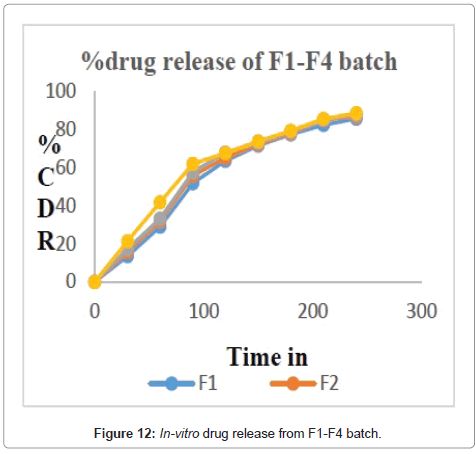
Figure 12: In-vitro drug release from F1-F4 batch.
Preparation of stock solution of polymer
HPMC E 50 solution: (3%, 4% and 5% w/v) was prepared by adding 3, 4, 5 gm of polymer in distilled water, and the final volume was made up to 100 ml by adding distilled water.
HPMC E 5 solution: (7%, 8% and 9% w/v) was prepared by adding 7, 8, 9 gm of polymer in distilled water, and the final volume was made up to 100 ml by adding distilled water.
For the preparation of FDF:
yy FDF were prepared by taking 1 ml of drug solution in the beaker to this HPMC E50 LV and HPMC E 5 LV in different conc. i.e., 3%, 4%, 5% and 7%, 8%, 9% respectively were added.
yy The above solution was mixed together with continuous stirring. Then excipients such as sweeting agent, saliva stimulating agent, flavoring agent were added to it.
yy Plasticizer PEG 400 was added, followed by the addition of distilled water to make up volume up to 10 ml and then sonicated at room temperature to ensure clear, bubble free solution.
yy This solution was mixed thoroughly to obtain homogenous solution.
yy The homogenous solution (10 ml) was spread in petridish (area 13 cm2) and dried at 50°C temp in hot air oven for 24 hrs.
yy After drying, the film was properly removed, packed in aluminum foil and stored in glass container for further evaluation. Composition of fast dissolving film is as shown in Tables 1-6.
Evaluation of fast dissolving film
The prepared films are evaluated for following properties these are given below [7-10]:
yy Physical properties;
yy Mechanical properties;
yy Performance properties.
Physical properties of films
Thickness: The thickness of the drug loaded films was measured with the help of micrometer screw gauge at different strategic locations like four corners and center of each film. Mean SD is calculated. The standard range of film thickness should not be less than 5%. This is essential to assure uniformity in the thickness of the film as this was directly related to the accuracy of dose. The thickness of film should be in the range of the 5-200 micrometer. The thickness of all batches are given in Table 12.
Weight uniformity: Weight variation was studied by individually weighing 10 randomly selected films and calculating the average weight. According to specifications given in I.P. 2007 for 45 mg film standard deviation should not more than 10%. The weight uniformity of all batches are given in Table 12.
Surface pH: The film formulation has to be kept in the oral cavity, pH of saliva ranging from 5.5-7.5 So, to dissolve and solubilize the drug in saliva present in the oral cavity the pH of film should keep near to neutral. Since acidic or alkaline pH may leads to irritation to the buccal mucosa. Surface pH of film was determined to check whether the film causes irritation to the mucosa. The surface pH study was carried out by selecting 3 films randomly. The films were left to swell for 1 hrs on surface of agar plate, surface pH was measured by pH paper and mean SD calculated. The Surface pH of all batches are given in Table 12.
Mechanical properties of film
Folding endurance: Number of times a film can be folded at the same place without breaking or cracking gives the value of folding endurance. This was determined by repeatedly folding films at the same place until it broke. This test was performed on 3 films of each formulation and mean SD was calculated. The folding endurance of all batches are given in Table 13.
Tensile strength: Tensile strength is the maximum stress applies to a point at which strip specimen breaks. Tensile testing of film was determined with digital tensile tester, which consist of 2 load cell grips. The lower one is fixed and upper one is movable. The test film of specific size was fixed between cell grips and force was gradually applied till the film breaks. Tensile strength is calculated by formula;
Tensile strength=force at break/ initial cross-sectional area of film in mm2
The tensile strength of all batches are given in Table 13.
Percent elongation: It is calculated by the distance travelled by pointer before the break of the film on the graph paper. When the stress is applied, a film strip sample stretches, and this is referred to as strain. Strain is basically the deformation of film strip is divided by original dimension of the sample. Generally, elongation of strip increases as the plasticizer content increases [11-13]. It is calculated as:
% Elongation=Increase in length/Original length × 100
The percent elongation of all batches are given in Table 13.
Performance properties of film
In vitro disintegration time: A film was placed onto 2 ml distilled water taken in petri dish. Time taken by the film to dissolve completely is considered as the disintegrating time. The disintegration time is the time when the film starts to break or disintegrates completely, normally disintegration time for oral films is within 2 min. The disintegration time of all batches are given in Table 14.
Determination of drug content uniformity in the film: Drug content of oral fast dissolving films were determined by standard assay method taken for three individual samples as per the test procedures. The acceptance value of the test is less than 15 in accordance with all pharmacopoeia. A film of size 1 cm2 was cut and kept in 100 ml of volumetric flask containing distilled water. This was then shaken in a mechanical shaker till it was dissolved to get a homogeneous solution and then filtered. The drug was determined spectroscopically after appropriate dilution and dilutions were measured at 256 nm to get absorbance. The acceptance value (AV) of the preparation 85-115%. The drug content uniformity of all batches are given in Table 15.
Hydration study: Hydration study (water uptake/swelling study). The film sample was weighed and placed on a pre-weighed stainlesssteel wire mesh. The wire mesh was then submerged in a petridish containing 20 ml distilled water. Increase in weight of the film is determined at regular time intervals until a constant weight is obtained the hydration ratio of the film is calculated using following formula:
Hydration ratio=Wt-W0/Wt
Where, Wt=Weight of film at time t and W0=Weight of film at zero time.
The Hydration study (water uptake/swelling study) of all batches are given in from Table 15.
In vitro dissolution studies: The release rate of film was performed using a dissolution apparatus (Disso test, Lab India). The dissolution medium comprised 900 ml of phosphate buffer pH 6.8 maintained at a temperature of 37 ± 0.5°C and rotation speed of 50 rpm was kept. 5 ml of sample were collected at predetermined time interval for 4 min. The drug concentration was measured by a UV Spectrophotometer (UV- 1800, Shimadzu) at 306 nm. The drug content uniformity of all batches are given from Tables 15-20.
| Square root of time | %CDR |
|---|---|
| 5.477226 | 26.3 |
| 7.745967 | 45.3 |
| 9.486833 | 65.2 |
| 10.95445 | 76.56 |
| 12.24745 | 79.81 |
| 13.41641 | 83.5 |
| 14.49138 | 91.9 |
| 15.49193 | 94.35 |
Table 17: Higuchi model.
| Log Time | Log %CDR |
|---|---|
| 1.477121 | 1.419956 |
| 1.778151 | 1.656098 |
| 1.954243 | 1.814248 |
| 2.079181 | 1.884002 |
| 2.176091 | 1.902057 |
| 2.255273 | 1.921686 |
| 2.322219 | 1.963316 |
| 2.380211 | 1.974742 |
Table 18: Kosemeyer Peppas model.
| Time in sec | Log % cumulative drug remaining |
|---|---|
| 30 | 1.867467 |
| 60 | 1.737987 |
| 90 | 1.541579 |
| 120 | 1.369958 |
| 150 | 1.305136 |
| 180 | 1.217484 |
| 210 | 0.908485 |
| 240 | 0.752048 |
Table 19: First order kinetics.
| S. No. | Kinetics Model | Slope | Regression Coefficient |
|---|---|---|---|
| 1 | Zero order kinetics | 0.3046 | 0.8909 |
| 2 | First order kinetics | -0.0052 | 0.9791 |
| 3 | Kosemeyer Peppas model | 0.6086 | 0.9581 |
| 4 | Higuchi model | 6.73 | 0.9571 |
Table 20: Regression coefficient value of release kinetics model.
Study of release kinetics: a. zero-order kinetic: Qt=Q0+k0t
Where, Qt is amount of drug release at time t; K0 is zero order release rate constant; Q0 is amount of drug present initially at t=0.
First-order kinetic: In (100-Q)=InQ0-K1t
Where, Q=amount of drug present initially; K1=first order release rate constant.
Higuchi equation: Q=kH t1/2
Where, t1/2=amount of drug release at time t; kH=Higuchi dissolution constant.
Korsmeyer-Peppas model: Q=Kptn
Where, Kp is a constant incorporating the structural and geometric characteristics of the drug dosage form.
Hence to study the drug release kinetics data obtained from in-vitro dissolution study. The data obtained is plotted against:
yy Time vs.% CDR for Zero order kinetics;
yy Square root of time vs.% CDR for Higuchi model;
yy Log time vs.% Log% CDR for Kosemeyer Peppas model;
yy Time vs. Log% drug remaining for First order kinetics.
The result of release kinetics are reported in Tables 16-19 and Figures 13-16. Table 20 shows value of slope and regression coefficient [14-17].
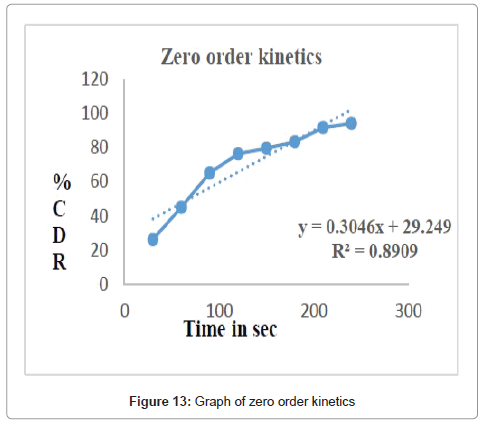
Figure 13: Graph of zero order kinetics
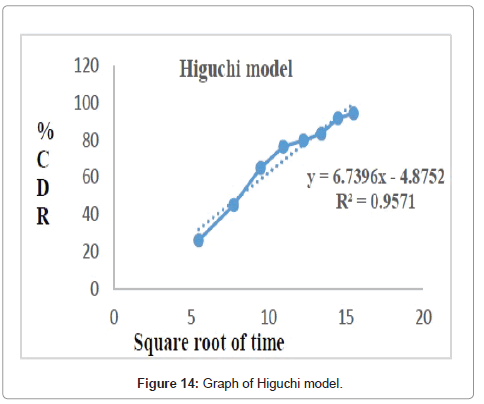
Figure 14: Graph of Higuchi model.
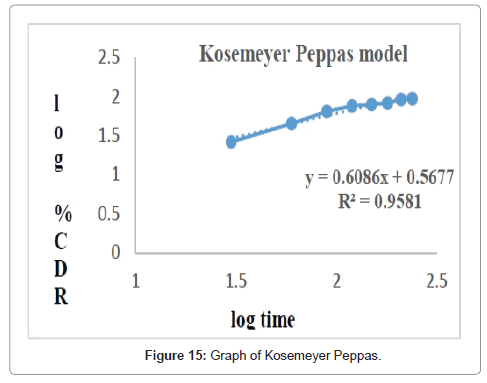
Figure 15: Graph of Kosemeyer Peppas.
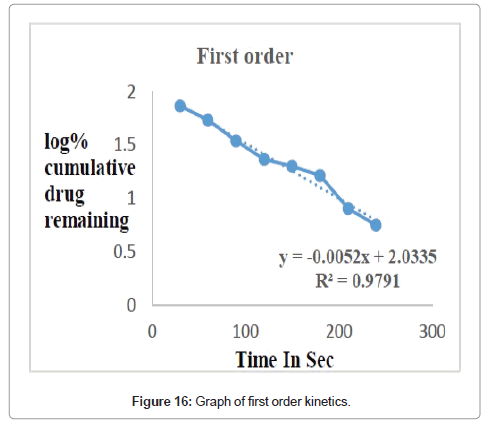
Figure 16: Graph of first order kinetics.
Stability study: In any rational design and evaluation of dosage forms of drugs, the stability of the active component is the major criteria in determining their acceptance or rejection. During the stability studies, the product is exposed to normal conditions of temperature and humidity. The optimized Oxcarbazepine formulation were subjected for stability studies. The desiccators was kept at room temperature condition 25°C ± 2°C for a period of one month and the optimized formulation was analyzed for organoleptic characteristics, thickness, folding endurance, drug content and dissolution [18-20].
Stability protocol
Packaging material: The films were wrapped in aluminum foils.
Storage condition: The films were subjected to stability as per ICH guidelines at the following conditions. Samples were kept in a desiccators was kept at room temperature condition 25°C ± 2°C.
Sampling points: The optimized formulations were subjected to stability for a period of one month. The samples were withdrawn at the end of 1 month for all conditions and subjected to following tests.
Appearance: The Oxcarbazepine formulations were inspected for any change in color and integrity [21].
Thickness: The Oxcarbazepine formulations were inspected for any change in thickness of film.
Folding endurance: The Oxcarbazepine formulations were inspected for any change in folding endurance of film.
Disintegration time: The Oxcarbazepine formulations were inspected for any change in disintegration time of film.
Drug content: Drug content of Oxcarbazepine formulations at sampling point were determined as per procedure given as above.
Dissolution profile: Dissolution study was carried out for optimized formulation (0 week and 4 week) stored as per stability condition.
Results and Discussion
Characterization of drug and polymer
Physical properties: The sample of Oxcarbazepine and polymer HPMC were studied by visual observation for its physical characters such as colour and appearance. The results are presented in Table 7.
Melting point: The melting point of Oxcarbazepine and polymer HPMC were found to be similar to that mentioned in literature. The results are given in Table 7.
UV-spectroscopy and Beer-Lambert’s plot: Calibration curve data of OXC in phosphate buffer 6.8 is given in Table 8.
FTIR spectroscopy: The functional groups shown by IR spectra correctly matches with functional group of in the structure Oxcarbazepine and HPMC. From this result it was concluded that sample Oxcarbazepine and HPMC were pure [22].
FTIR of oxcarbazepine: The spectrum of oxcarbazepine was characterized by the presence of strong absorption band at 3463.82 cm-1, which is indicative of amines (-NH- group). The carbonyl-stretching mode appeared as a very strong doublet at 1679.34 cm-1 (C=O stretching) and 1646.49 cm-1. Other characteristic band was found at 1588.86 cm-1 which was indicative of presence of aromatic rings. From the above interpretation it was concluded that observed peaks compiles with standard ranges of functional group of Oxcarbazepine. The interpretation of FTIR of drug is as shown in Table 9 and Figure 2.
FTIR of HPMC
The spectrum of HPMC was characterized by the presence of strong absorption band at 1046.99 cm-1, which is indicative of ether (-C-Ogroup). Other characteristic band was found at 1545.12 cm-1 which was indicative of presence of aromatic rings and other characteristic band was found at 2888.64 cm-1 which was indicative of presence of aliphatic chain. From the above interpretation it was concluded that observed peaks compiles with standard ranges of functional group of HPMC. The interpretation of FTIR of HPMC is as shown in Table 10 and Figure 3.
FTIR Study of oxcarbazepine+HPMC
In this there was no any extra peaks observed and from this confirm that the drug is compatible with polymer. There is no any interaction between drug and HPMC. The spectrum of drug+HPMC showed different peak which are described in Table 11 and Figure 4.
Differential Scanning Calorimetry (DSC)
Thermal analysis of drug and polymer were carried out by using DSC analysis. The DSC study showed sharp endothermic peak of Oxcarbazepine at 217.82°C at which corresponds to its melting point. This sharp endothermic peak indicates its crystalline nature and purity of sample. The DSC thermogram are shown in Figure 5. DSC of HPMC shows broad endothermic peak at 189.38°C. Thermal analysis of HPMC was carried out by using DSC analysis. The DSC study showed broad endothermic peak and melting at 189.38°C which corresponds to its melting point. This reveals its amorphous nature and purity of sample. The DSC thermogram is shown in Figure 6.
Evaluation of fast dissolving film
Thickness: The thickness of the drug loaded films was measured with the help of digital thickness gauze at different strategic locations like four corners and center of each film. Mean SD is calculated. Physical evaluation of film containing HPMC E50 LV and HPMC E5 LV in different concentrations was evaluated and they were found to be uniform thickness in the range of 0.026-0.047 mm. Among which A4 formulation is thinnest and F1 formulation being thick. It reveals that as concentration of film forming polymer increases, there is increase in thickness. In all the cases the calculated standard deviation values are very low which suggest that, the prepared films were uniform in thickness. The thickness of all batches are given in Table 12.
Weight uniformity: The weight of each film was taken on Electronic analytical balance and the weight variation is calculated as mean SD. Physical evaluation of film containing HPMC E50 LV and HPMC E5 LV in different concentrations was evaluated and they were found be uniform weight in the range of 35.12 ± 0.456 to 41.8 ± 0.752 mg. Among which A4 formulation contains the lowest weight and F1 formulation contains the highest weight. It reveals that as concentration of film forming polymer increases, there is increase in weight of film. In all the cases the calculated standard deviation values are very low which suggest that, the prepared films were uniform in weight. The weight uniformity of all batches are given in Table 12.
Surface pH: The surface pH of the films was ranging from 6.23 ± 0.552 to 6.76 ± 0.777. The surface pH of the films was found to be neutral. There will not be any kind of irritation to the mucosal lining of the oral. The surface pH of all batches are given in Table 12.
Folding endurance: Folding endurance evaluation was done for film containing HPMC E50 LV and HPMC E5 LV in different concentrations and they were found in the range of 101.2 ± 0.962 to 190.2 ± 0.723 which is optimum ensures that films exhibited good physical and mechanical properties. It reveals that as concentration of film forming polymer increases, there is increases in folding endurance. In all the cases the calculated standard deviation values are very low which suggest that, the prepared films were uniform in folding endurance. The folding endurance of all batches are given in Table 12.
Tensile strength: Tensile strength evaluation was done for film containing HPMC E50 LV and HPMC E5 LV in different concentrations and they were found in the range of 2.34 to 7.95 N/ mm2 which is optimum ensures that films exhibited good physical and mechanical properties. It reveals that as concentration of film forming polymer increases, there is decrease in tensile strength. In all the cases the calculated standard deviation values are very low which suggest that, the prepared films were uniform in tensile strength. The tensile strength of all batches given in Table 12.
Percent elongation: Percent Elongation evaluation was done for film containing HPMC E50 LV and HPMC E5 LV in different concentrations and they were found in the range of 9.0 to 22.90 which is optimum ensures that films exhibited good physical and mechanical properties. It reveals that as concentration of film forming polymer increases, there is decrease in percent elongation. In all the cases the calculated standard deviation values are very low which suggest that, the prepared films were uniform in percent elongation. The percent elongation of all batches given in Table 13.
In-vitro disintegration time: The disintegration time of the films was found to be in the range 27.58 ± 1.65 sec to 40.23 ± 0.895 sec. It reveals that as concentration of film forming polymer increases, there is increase in-vitro disintegration time. The in-vitro disintegration time of all batches given in Table 13.
Determination of drug content: Drug content of all batches was found in between 87.66 ± 0.456 to 93.45 ± 0.698. The drug content of all batches given in Table 13.
Hydration study (Swelling index): The swelling index of all batches was calculated in the range 0.152 ± 0.045 to 0.265 ± 0.14. It reveals that as concentration of film forming polymer increases, there is decrease in swelling index. The observations are given in Table 13.
In-vitro drug release of study: The dissolution rate studies were performed to evaluate the dissolution character of Oxcarbazepine from the rapidly dissolving film. Figures 17-19 shows release profiles of all the batches. The drug release of all batches given in Tables 14 and 15. The graphs of in-vitro drug release are as shown in Figures 7-12.
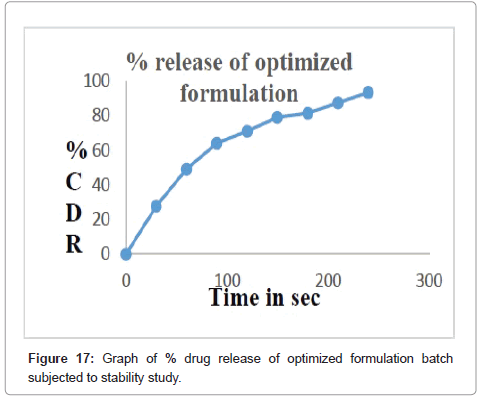
Figure 17: Graph of % drug release of optimized formulation batch subjected to stability study.
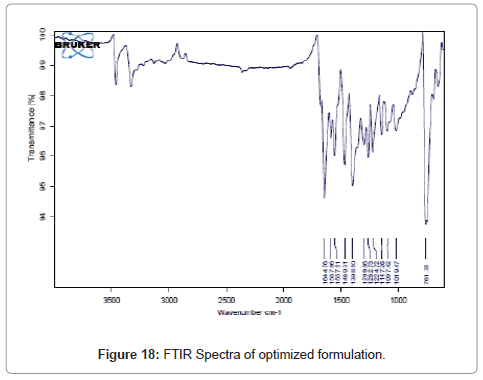
Figure 18: FTIR Spectra of optimized formulation.
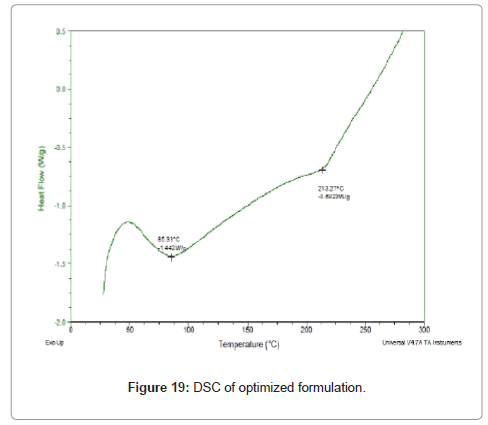
Figure 19: DSC of optimized formulation.
Stability studies: Stability of a drug has been defined as the ability of a particular formulation, in specific container, to remain within its physical, chemical, therapeutic and toxicological specification. Rapidly dissolving films of batch D4 was kept for stability study for 1 month in the desiccator. After a period of one month, the samples were observed for change in physical parameters. It was observed that surface was devoid of any change in color or appearance of any kind of spots on it. It was also noted that surface was free of any kind of microbial or fungal growth or bad odor. No change in the smoothness of the film were noted. At the end film were analyzed for physical appearance, percentage drug content, thickness, in vitro disintegration time, and in vitro drug release studies. From Table 21, Thickness was found to be 0.035 mm, Folding endurance was found to be 181.5, Film weight was found to be 37.65 mg, Disintegration was found to be 29.19 sec, Drug content was found to be 92.35%. Short term stability testing was carried out for the optimized formulation (D4). In vitro drug release study of optimized formulation (D4) kept for stability at 25°C. Table 22 and Figure 17 shows dissolution data of formulation which was subjected to stability [23-25].
| Parameter | After one month |
|---|---|
| Appearance | Colourless |
| Thickness(mm) | 0.035 |
| Folding endurance | 181.5 |
| Film weight(mg) | 37.65 |
| Disintegration(sec) | 29.19 |
| Drug content (%) | 92.35 |
Table 21: Evaluation of optimized formulation subjected to stability study.
| Time (sec) | % Release |
|---|---|
| 0 | 0 |
| 30 | 27.8 |
| 60 | 49.3 |
| 90 | 64.3 |
| 120 | 71.2 |
| 150 | 79.2 |
| 180 | 81.57 |
| 210 | 87.56 |
| 240 | 93.56 |
Table 22: % release of the optimized formulation batch subjected to stability study.
FTIR of optimized batch
The infrared spectra of drug and polymers are matching peak with the drug spectra. The characteristics peaks of drug were also present in the spectra of all polymer combination. It reveals that no interaction occurred between drug and polymer, so drug and polymers are compatible with each other. The spectrum of FTIR is as shown in Figure 18.
DSC study of fast dissolving film
The pure Oxcarbazepine showed sharp endothermic peak at 217.82°C which represents melting point. But this sharp endothermic peak was shifted to the left side i.e., 213.27°C in fast dissolving film formulation batch D4. This might be indicating the decrease in crystallinity of drug. This could be attributed to higher polymer concentration and uniform distribution of drug in the crust of polymer, resulting in complete miscibility of drug in the polymer. Thus, it might confirm the enhancement of solubility and dissolution rate of drug from the formulations. Moreover, the data also indicate there seems to be no interaction between the drug and polymer. The graph of DSC is as shown in Figure 19.
Conclusion
The fast dissolving films of oxcarbazepine were prepared using the easily accessible component such as HPMC of different grades (E5, E50) by solvent casting technique. The method of formulation was found to be modest and economic. Oxcarbazepine, a poorly watersoluble drug could be magnificently assimilated in the fast dissolving films with the help of PVP K30 which serves as carrier in increasing the solubility of valsartan and HPMC E5, E 50 as film forming polymer. Amongst the all formulations, D4 was found as best formulation which contains HPMC E 5 and oxcarbazepine solid dispersion with PVP K30 at weight ratio of 1:3 and showed excellent film forming characteristics such as disintegration time of 27 sec and percentage drug release 94.35% within 4 minutes.
Acknowledgements
Every step towards goal needs appreciable extent of self-motivation,
inspiration, blessings and support of complimentary factors along with our efforts.
Words may be failed to portrait gratefulness of all those, who have been lifted me
up to this stage. I take this opportunity to express my heartfelt gratitude to my
revered guide. I consider myself most lucky to work under the excellent guidance
of Dr. FJ Sayyad, Assistant Professor of Govt. college of Pharmacy, Karad for her active guidance, innovative ideas, constant inspiration, continuous supervision,
valuable suggestions, and support to complete the project work effectively and
successfully. I am very much grateful to her for invaluable guidance.
References
- Biradar SS, Bhagvati ST, Kuppasad IJ (2006) Fast dissolving drug delivery systems: a brief review. Internet J Pharmcol, p: 4.
- Dixit RP, Puthli SP (2009) Oral strip technology: Overview and future potential. J Cont Rel 139: 94-107.
- Vollmer U, Galfetti P (2006) Rapid film: Oral thin films as an innovative drug delivery system and dosage form. Drug Dev Report, pp: 64-67.
- Kunte S, Tandale P (2010) Fast dissolving strips: a novel approach for the delivery of verapamil. J Pharm Bioallied Sci 2: 325-328.
- Prabhu P, Malli R, Koland M, Vijaynarayana K, D'Souza U, et al. (2011) Formulation and evaluation of fast dissolving films of levocitirizine dihydrochloride. Int J Pharm Inv 1: 99-104.
- Tripathi KD (2003) Essentials of Medical Pharmacology. 6th edn. Jaypee Medical Publications, New Delhi, India, pp: 213-215.
- Desai P (2012) Evaluation of fast dissolving film of domperidone. International Research Journal of Science.
- Kaza R (2012) Design and Characterization of fast dissolving film of Valsartan. Turk J Pharm Sci 11: 175-184.
- Shaik MR (2013) Formulation and Characterization of domperidone oral thin films. International Journal of Pharma Science 3: 126-128.
- Upreti K (2011) Formulation and Evaluation of mouth dissolving films of paracetamol. International Journal of Pharmacy and Pharmaceutical Science 6: 201.
- James B (2016) An overview on Epilepsy. Encyclopaedia of Life Sciences, pp: 1-8.
- Simon S (2016) A review on Treatment of Epilepsy. John Wiley & Sons, pp: 1-11.
- Nandy BC (2011) An overview on fast dissolving drug delivery system. Asian Journal of Pharmaceutical Sciences and Research 1: 1-30.
- Thomas RH (2012) A Review on Seizures and Epilepsy: Pathophysiology and Principles of Diagnosis. Turner White Communications 1: 1-26.
- Shweta K (2012) Recent Trends in the development of Oral dissolving film. International Journal of Pharmatech Research 4: 725-733.
- Patel JC (2013) A review on fast dissolving film. International Journal of Advanced Pharmaceutics 3: 44-50.
- Bhupinder B (2011) Orally fast dissolving films: Innovations in formulation and technology. International Journal of Advanced Pharmaceutics 9: 009.
- Rathod S (2014) A review on Mouth Dissolving Film Technology. International Journal for Pharmaceutical Research Scholars, p: 3.
- Sameer S (2011) A review on solid dispersion. International Journal of Pharmacy and Life Science 2: 1078-1095.
- Ladan AN (2012) A review on ÃÆâÃâââ¬Ãâà âSolid dispersion: methods and polymers to increase the solubility of poorly soluble drugsÃÆâÃâââ¬ÃâÃÂ. Journal of Applied Pharmaceutical Science 2: 17-170.
- Ishwarya S (2013) A review on Solid dispersion: an approach to enhance solubility of poorly water-soluble drugs. Journal of Scientific and Innovative Research 2: 685-694.
- Jaskirat J (2013) Solubility Enhancement by solid dispersion method. Journal of Drug Delivery and Therapeutics 3: 148-155.
- Tagalpallelwar VR (2015) Enhancement of solubility of poorly water-soluble drug by solid dispersion technique. International Journal of Pharma Sciences and Research, p: 6.
- Raju PN (2013) Formulation and Evaluation of fast dissolving film of Loratidine by solvent casting method. p: 2.
- Qadir KA (2012) Formulation and Evaluation of fast dissolving films of Loratidine for sublingual use. p: 7.

Open Access Journals
- Aquaculture & Veterinary Science
- Chemistry & Chemical Sciences
- Clinical Sciences
- Engineering
- General Science
- Genetics & Molecular Biology
- Health Care & Nursing
- Immunology & Microbiology
- Materials Science
- Mathematics & Physics
- Medical Sciences
- Neurology & Psychiatry
- Oncology & Cancer Science
- Pharmaceutical Sciences